
Case study
Loft Insulation Case Study — Ingatestone Bungalow Loft Cleared, Ventilated and Reinsulated to 300mm
An Ingatestone homeowner’s bungalow loft, roughly 70m², had old insulation that was 100mm deep at best, squashed flat in places, and a roof with no ventilation. In one day our team stripped it out, treated the roof timbers, added lap vents and put down a fresh 300mm layer from wall to wall.
What we found
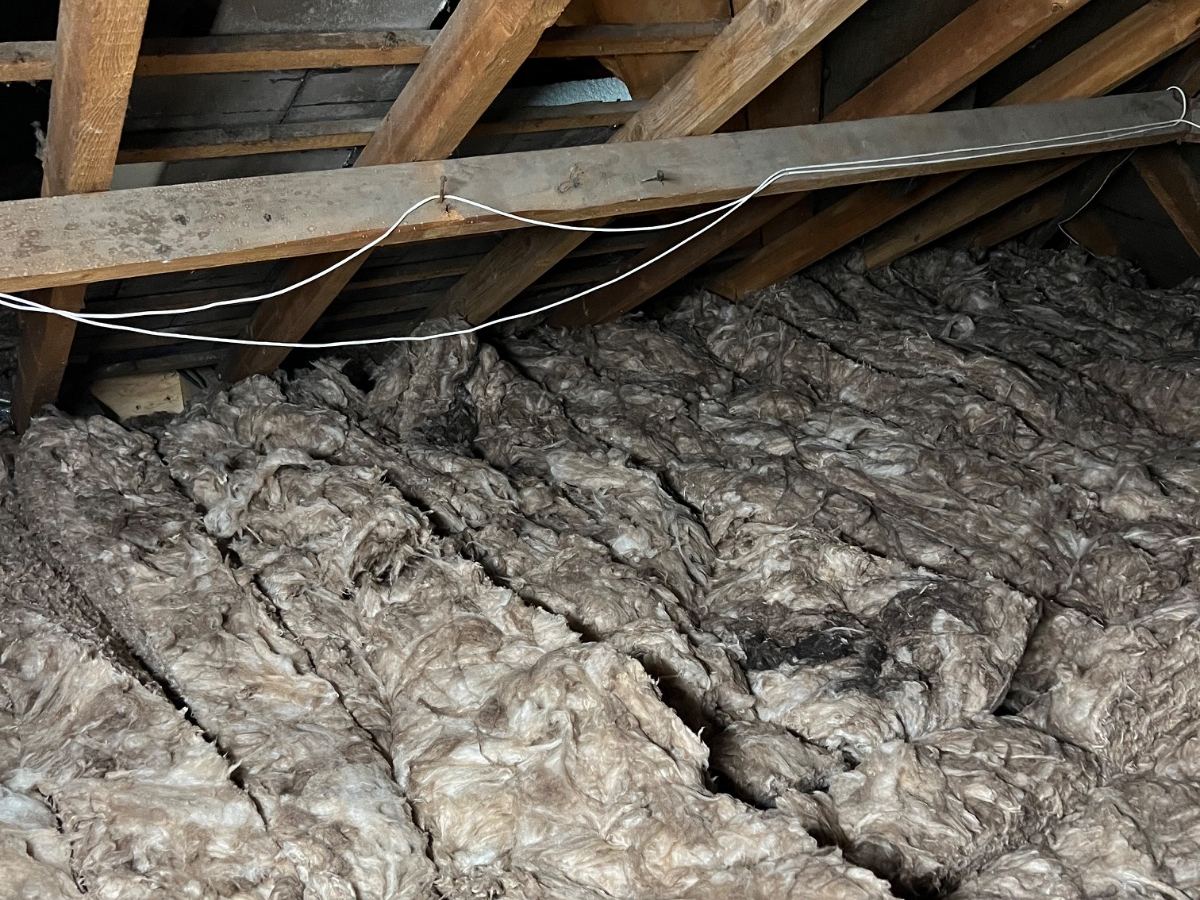
- •Old fibreglass and mineral wool no deeper than 100mm
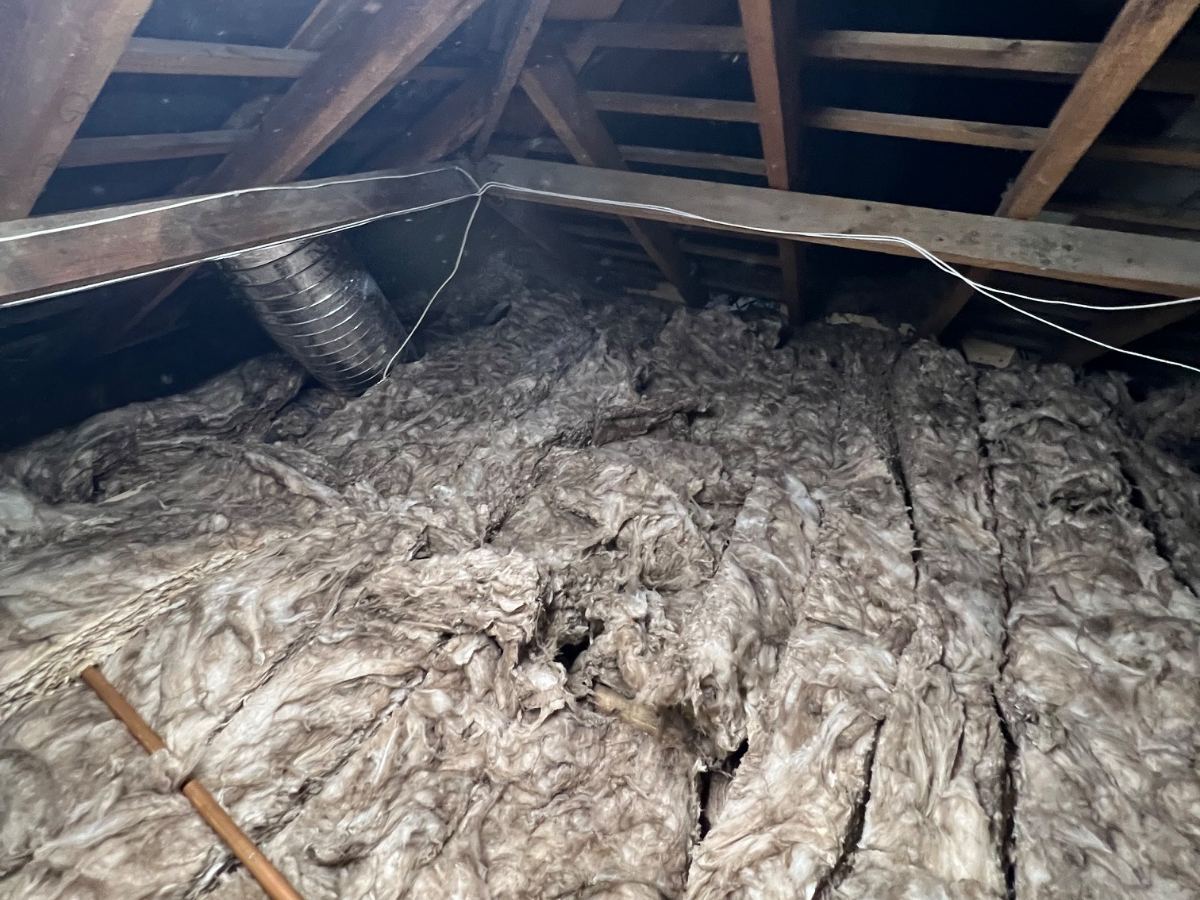
- •Flattened and torn insulation in several places
- •No ventilation anywhere in the roof
- •Downlights and cables running through the ceiling below
What we found in the roof space
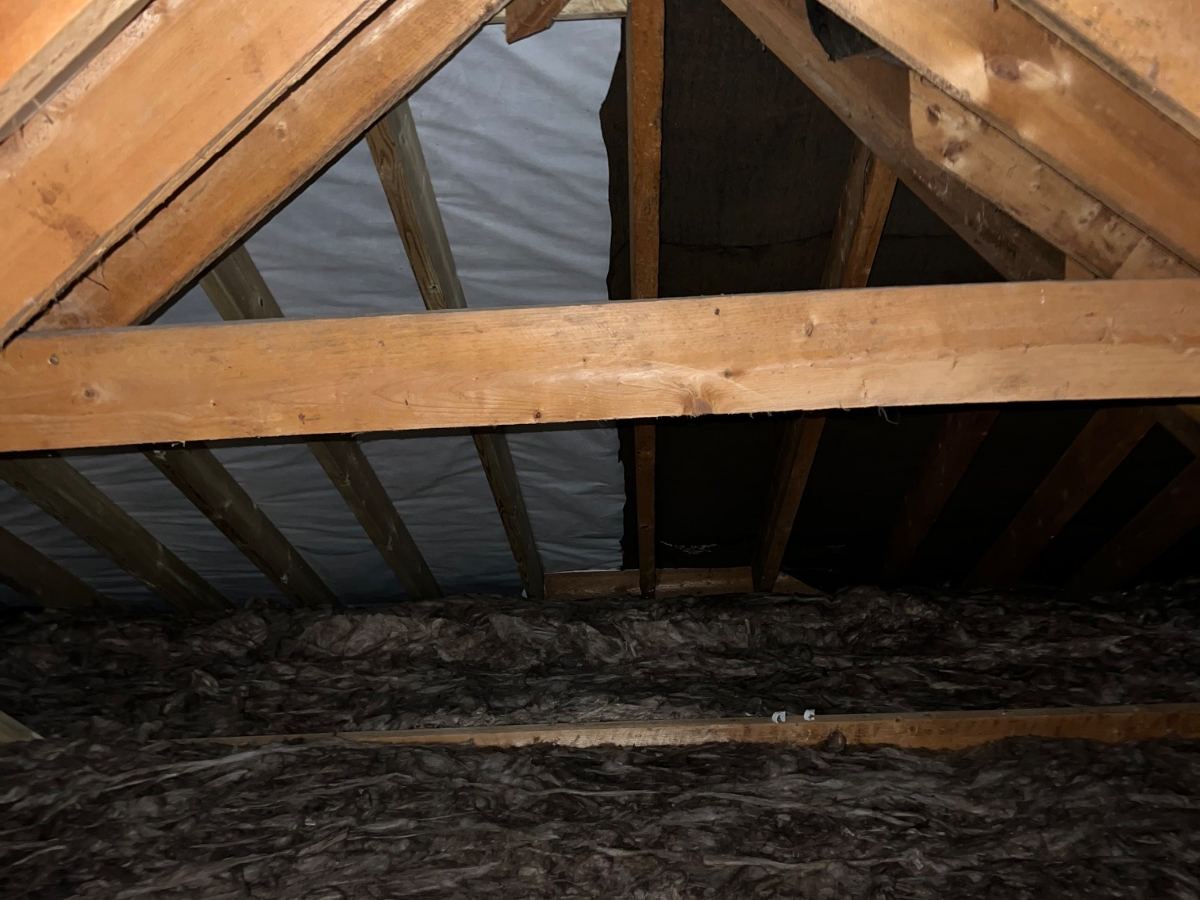
Because a bungalow keeps every room under the same roof, its loft tends to be large for the size of the home. This one gave us around 70 square metres of floor to cover and roughly two metres of headroom under the ridge, so access was easy.
What was already there was a patchwork of old fibreglass and mineral wool, most of it nowhere near 100mm. It had been trodden on and moved about over the years, leaving it squashed and, in parts, ripped. Insulation that has been crushed traps much less air, so it was performing well below what its depth would suggest.
The roof also had no ventilation of any kind. Moist air rising from the rooms below can condense on a cold roof when it has no way out. Damp readings taken on the day were low, which made it a good moment to put ventilation in before any damp could take hold.
Why we took the old insulation out
Dean, who surveyed the loft, advised removing what was there instead of laying a new layer over it. Rolling fresh insulation over material that is already flattened and damaged gives an uneven result, and it covers up the ceiling and joists so nobody can see what state they are in.
Clearing it first meant the timbers could be treated and vents added, with a complete 300mm layer going down afterwards. That is more than the 270mm normally recommended for mineral wool in a loft.
How the day went
The job was carried out by our own installers on the day after the survey. First, everything old was taken out, leaving the joists and the back of the ceiling clear.
Next, the roof timbers were treated against mould and lap vents went in so that air can circulate through the loft. The installers worked carefully around the downlights and wiring picked up at the survey.
Finally, 300mm of Knauf mineral wool was laid over the whole 70 square metres.
What the homeowner gained
- A full 300mm of new insulation in place of a thin, crushed layer
- Airflow through a roof that previously had no ventilation
- Mould-treated roof timbers, done while the loft was empty
- The whole job finished in one day
Free, no obligation
Ready to arrange a free loft assessment?
Tell us about your property and we will review your loft requirements, then provide a written recommendation and quotation before any work begins.